Large food and cosmetics companies must now report the emissions and social impact of what they buy, known as their scope 3. For that they need data that small farms rarely have. Buddha Food System builds this data into the way the network runs.
1.What is recorded
| Data | Source |
|---|---|
| Farm, plot and farmer | Farm registration |
| Crop plan and actual sowing | Planning tools, field staff |
| Inputs used | Central procurement records |
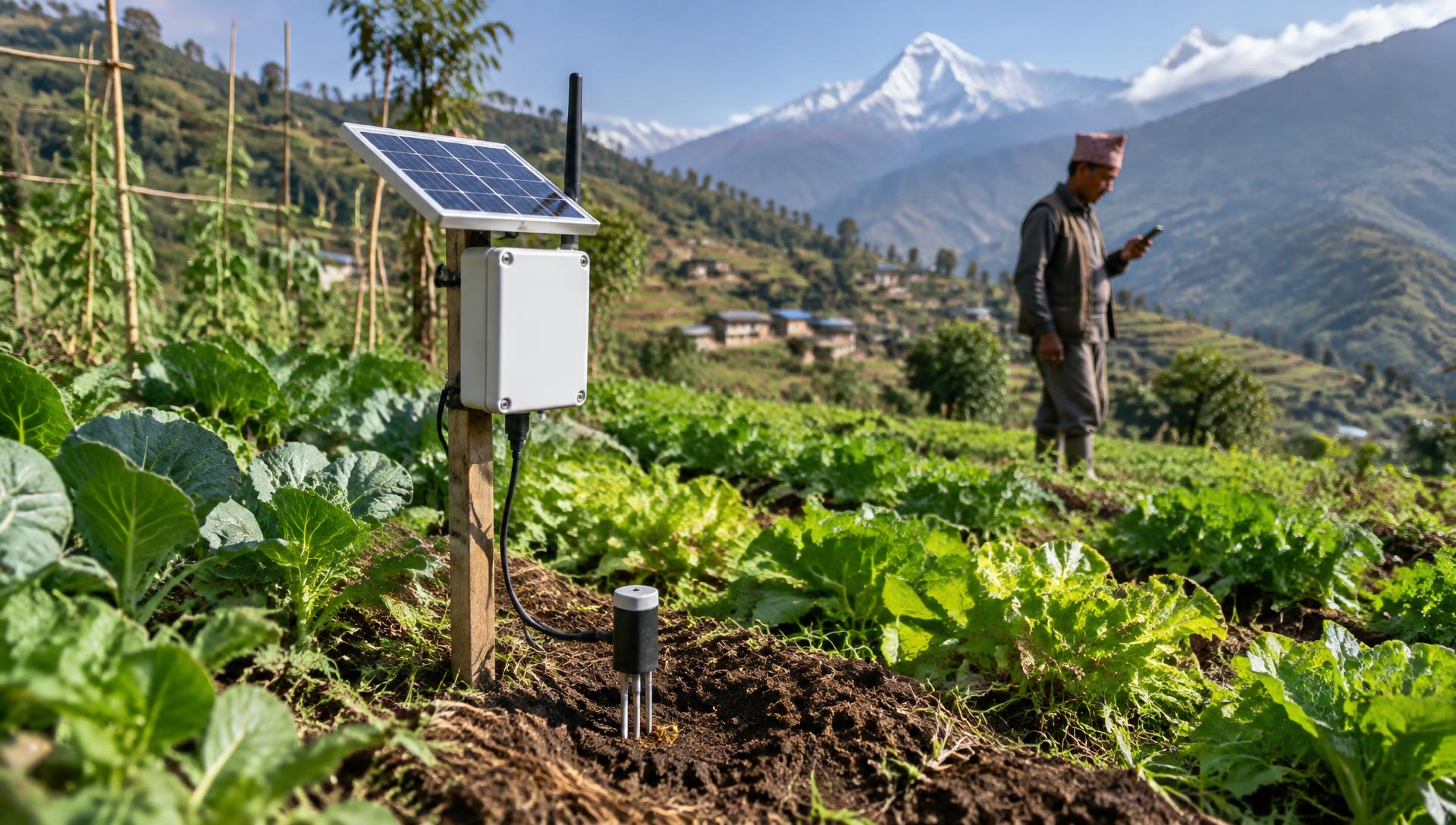
| Soil moisture, weather | Sensors on farms and at L2 |
| Harvest by lot | Weighing at L1 collection |
| Sales and payments | Network accounts |
2.From plot to buyer
Each lot carries its farm, plot and date from harvest to delivery. A buyer can see where the product was grown, how, and with which inputs. This is the basis for organic certification and for supplier audits.
3.Data for scope 3 reporting
- volumes by farm and region;
- inputs and practices, to estimate emissions per kilo;
- land use, to show no deforestation;
- farmer income and working conditions.
4.Data for investors
The same data feeds farm performance, repayment follow-up and the portfolio reports of the independent financial partner. Every figure shown to a funder comes from the same live model as the one used to run the company.
5.Data protection
Data is collected for clear purposes, with access limited to those who need it and retention rules. Farmers keep ownership of their farm data and can see what is recorded about them.
Related: Climate & carbon · Farmer income & decent work · Supply chain · Magic Organic
Parts of this page describe the intended operating model and will be refined as the network grows. Figures are working assumptions unless they come from the live financial model.