
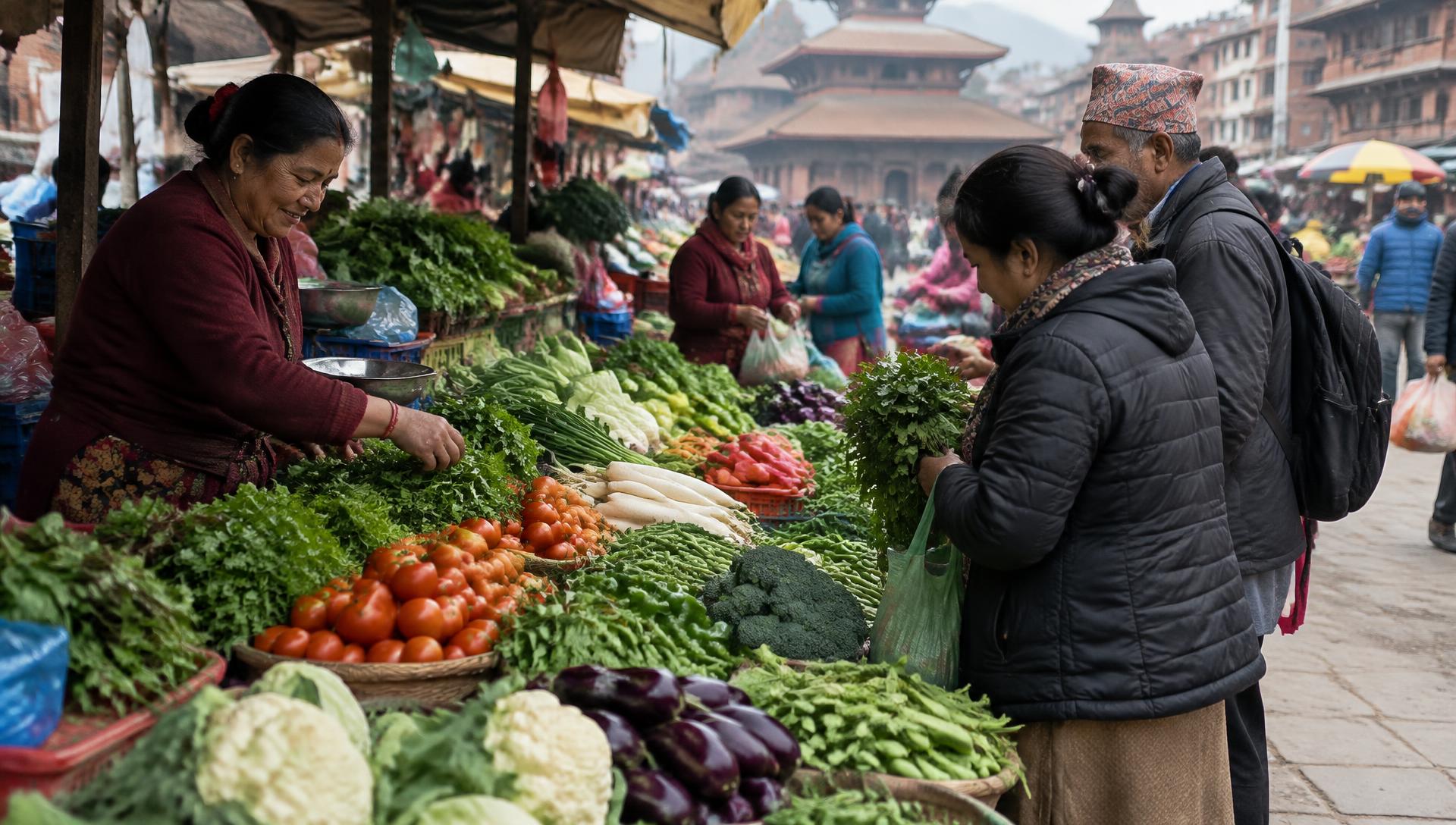
Magic Organic is the app Buddha Food System built to sell in short, local supply chains. It is the market infrastructure of the L1 level: it makes local production visible to nearby customers, turns it into orders, coordinates harvest and delivery, and feeds what customers buy back into the crop plan.
It is not just a delivery app. It gives small farms, together, the tools usually only large retailers have.
1.Why market access comes first
A farm that produces more but cannot sell is more exposed, not less: unsold produce, falling prices and losses. BFS therefore designs access to buyers together with production. At L1 — the market around a farm or a small group of farms — Magic Organic is that access.
2.One shared app for many farms
Customers use one app to see what is available, order, pay and receive local food. Farmers do not each need a shop, a customer list, payments or delivery.
- product pages and live availability;
- orders, payments and customer service;
- delivery coordination;
- sales records and demand analytics;
- shared standards on origin, freshness and traceability.
3.Shorter chain, more value at the farm
Fewer hand-offs between farmer and customer mean fresher food, clearer prices and more of the value kept close to production. Intermediaries remain only where they add real logistics or risk value. The exact split of value will be confirmed with local price and delivery data.
4.From demand to harvest
Orders and demand signals can decide what is harvested, when and how much. For suitable crops, produce stays in the field until it is ordered. Availability in the app reflects the real state of the farm: expected volumes, stock and delivery capacity.
5.Sales data that improves planning
Each order tells us what customers want, how much, when and where. Searches for products that are not available show unmet demand. Over time this data feeds crop choice, planting quantities and harvest dates across nearby farms — and gives lenders a verifiable sales history, farm by farm.
6.Local delivery
Local selling only works if the last mile is affordable. The app groups orders, plans delivery windows and local routes, and favours order density over speed.
7.How L1 and L2 work together
| Level | Role | Markets |
|---|---|---|
| L1 — Magic Organic | Sell nearby, shortest route to the customer | Households, local shops and buyers around the farms |
| L2 and BFS | Aggregate volumes, shared infrastructure | Large cities, industrial partners, export |
8.What we track
- active and repeat customers, average basket, fulfilment rate;
- delivery cost per order and order density;
- time from harvest to delivery, unsold volumes and losses;
- share of each farm's output sold through L1.
Related: Access to market · Supply chain · Planning · Traceability & data
Parts of this page describe the intended operating model and will be refined as the network grows. Figures are working assumptions unless they come from the live financial model.