
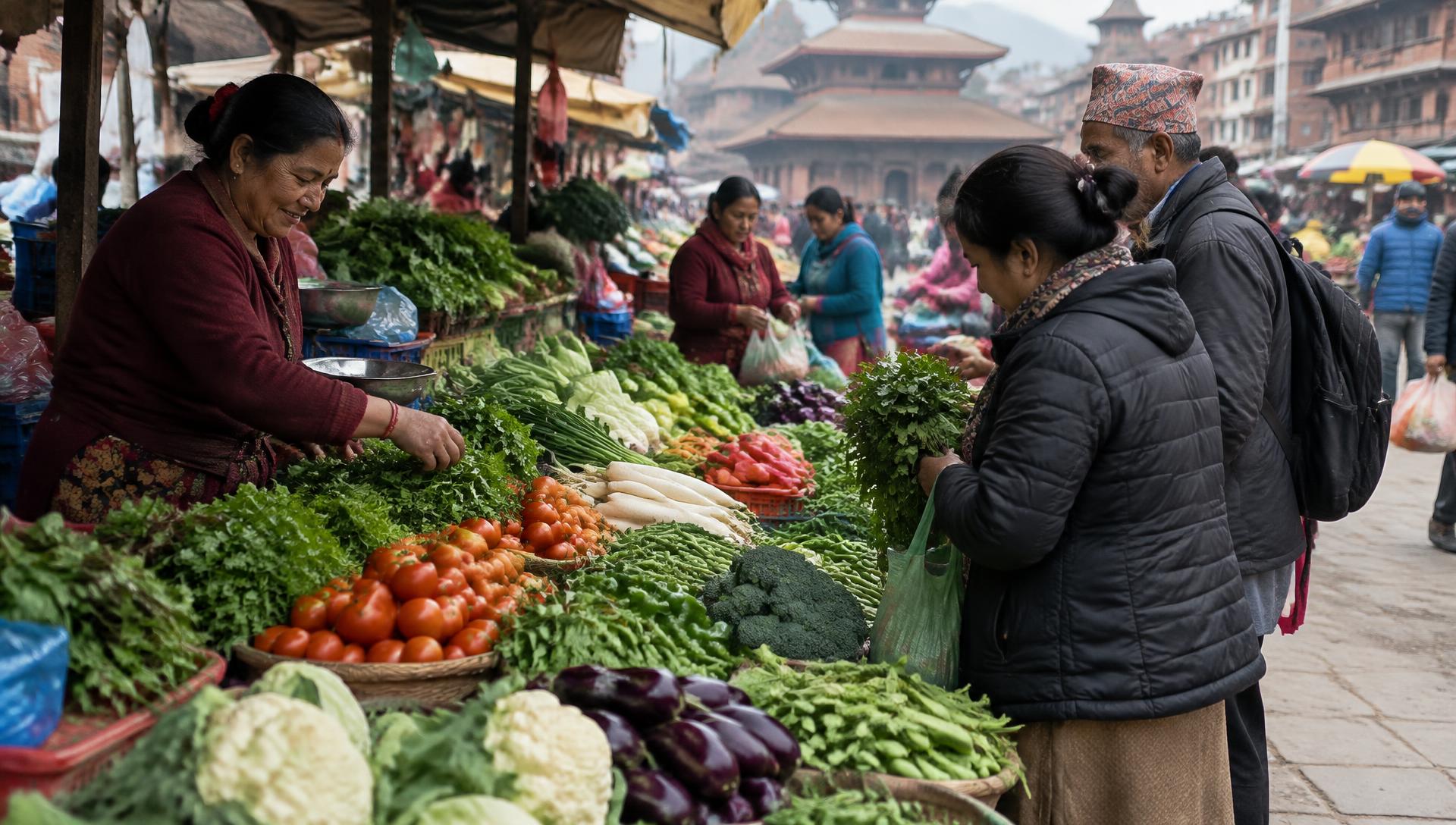
A farmer who cannot sell does not repay. Access to market is therefore not an option added at the end: it is where the model starts. Every farm sells through two channels, organised by the network.
1.Two channels
| Channel | Run by | Buyers |
|---|---|---|
| Local | L1 cluster (cooperative), through the Magic Organic app | Households, local markets, shops, restaurants, schools; paid quickly |
| Global | Buddha Food System | Industrial partners (cosmetics, bakery), organic distribution in large cities, export (e.g. Qatar) |
2.Selling before planting
BFS agrees volumes, grades and price ranges with its partners before the season. The crop plan follows these commitments. Farmers know in advance that their harvest has a buyer.
3.How the farmer is paid
Sales are collected by the network. The L1 cooperative keeps a commission (about 15% of sales in the model), which covers its own costs and the shares of L2 and BFS. The rest goes to the farmer, after the repayment of the farm package while it is running.
4.Adding value
Lower grades go to processing (purées, dried products, cosmetic extracts) instead of being wasted. Cash crops for cosmetics and industry raise the value per hectare. Carbon credits add a further source of income, shared between farms, L2 and BFS.
5.What investors and buyers get
- for investors: sales that repay the farm package, through the network's own channels;
- for buyers: a reliable organic supply, with agreed volumes and grades;
- for both: sales data that can be checked, farm by farm.
Related: Magic Organic · Supply chain · Planning · Farmer income & decent work
Parts of this page describe the intended operating model and will be refined as the network grows. Figures are working assumptions unless they come from the live financial model.